Your shopping cart is empty!
Welcome visitor you can login or create an account.
TPHCM
- KHO SÀN GỖ QUẬN 2 91 Lương Định Của, P. An Khánh, HCM
Tel/Zalo: 091 8888 901 - KHO SÀN GỖ QUẬN 8 146 Phạm Hùng, X. Bình Hưng, HCM
Tel/Zalo: 091 8888 315 - KHO SÀN GỖ QUẬN 9 15 Dương Đình Hội, P. Phước Long, HCM
Tel/Zalo: 091 8888 951 - KHO SÀN GỖ QUẬN 10 209 Tô Hiến Thành, P. Hòa Hưng, HCM
Tel/Zalo: 0913 8888 01 - KHO SÀN GỖ QUẬN 12 484 Nguyễn Văn Quá, P. Đông Hưng Thuận, HCM
Tel/Zalo: 0913 8888 20 - KHO SÀN GỖ BÌNH TÂN 254 Nguyễn Thị Tú, Khu phố 8, P. Bình Tân, HCM
Tel/Zalo: 084 8888 254 - KHO SÀN GỖ BÌNH CHÁNH 114 Đường số 12, KDC Phong Phú, X. Bình Hưng, HCM
Tel/Zalo: 076 4293 857 - KHO SÀN GỖ BÌNH HƯNG HÒA 873 Tân Kỳ Tân Quí, P. Bình Hưng Hoà, HCM
Tel/Zalo: 091 8888 875 - KHO SÀN GỖ BÌNH THẠNH 443 Bạch Đằng, P. Gia Định, HCM
Tel/Zalo: 091 8888 443 - KHO SÀN GỖ CỦ CHI 410 Tỉnh lộ 8, Ấp 4, X. Tân An Hội, HCM
Tel/Zalo: 091 8888 755 - KHO SÀN GỖ GÒ VẤP 957 Phan Văn Trị, P. Hạnh Thông, HCM
Tel/Zalo: 092 8888 181 - KHO SÀN GỖ KHA VẠN CÂN 867 Kha Vạn cân, P. Linh Xuân, Thủ Đức
Tel/Zalo: 081 8888 528 - KHO SÀN GỖ LONG BÌNH 31 Đường Số 11, P. Long Bình, Thủ Đức, HCM
Tel/Zalo: 090 8888 373 - KHO SÀN GỖ NHÀ BÈ Số 9 Nguyễn Hữu Thọ, Ấp 5, X. Nhà Bè, HCM
Tel/Zalo: 089 8888 081 - KHO SÀN GỖ MIỀN NAM 785E Nguyễn Duy Trinh, P. Long Trường, HCM
Tel/Zalo: 091 8888 795 - KHO SÀN GỖ TÂY HÒA 137A Tây Hoà, Phước long A, Quận 9, Thủ Đức, HCM
Tel/Zalo: 085 888 8067 - KHO SÀN GỖ TÂN BÌNH 355 Cộng Hoà, P. Tân Bình, HCM.
Tel: 091 8888 032 - KHO SÀN GỖ TÂN PHÚ 249 Trần Thủ Độ, P. Phú Thạnh, HCM
Tel/Zalo: 090 8888 916 - KHO SÀN GỖ TÂN THÀNH 51 Lê Đình Thụ, P. Phú Thọ Hòa, HCM
Tel/Zalo: 090 8888 240 - KHO SÀN GỖ THỦ ĐỨC 638 Quốc Lộ 13, P. Hiệp Bình, HCM
Tel/Zalo: 081 8888 610 - KHO SÀN GỖ THỦ ĐỨC (TAM PHÚ) 234M Tam Bình, P. Tam Bình, HCM
Tel/Zalo: 090 848 0002 - KHO SÀN GỖ CẦN GIỜ 2795 Huỳnh Tấn Phát, X. Nhà Bè, HCM
Tel/Zalo: 089 8888 723 - KHO SÀN GỖ SÀI GÒN 223 Phan Huy Ích, P. An Hội Tây, HCM
Tel/Zalo: 091 8888 223 - KHO SÀN GỖ BẾN CÁT 913 Đại Lộ Bình Dương, Thới Hoà, HCM
Tel/Zalo: 082 8888 913 - KHO SÀN GỖ DĨ AN 108 Quốc Lộ 1K, P. Linh Xuân, HCM
Tel/Zalo: 084 8888 108 - KHO SÀN GỖ BÌNH DƯƠNG 62 Phạm Ngọc Thạch, Kp Hiệp Thành 7, P. Phú Lợi, HCM
Tel/Zalo: 090 8888 062 - KHO SÀN GỖ THUẬN AN 259 Đại Lộ Bình Dương, P. Thuận An, HCM
Tel/Zalo: 084 8888 259 - KHO SÀN GỖ BÀ RỊA 75 Nguyễn Tất Thành, Phước Nguyễn, P. Bà Rịa, HCM
Tel/Zalo: 0813 9999 72 - SHOWROOM SÀN GỖ VŨNG TÀU 170A Huyền Trân Công Chúa, P. Tam thắng, HCM
Tel: 091 8888 165 - KHO SÀN GỖ VŨNG TÀU 117 Huyền Trân Công Chúa, P. Tam thắng, HCM
Tel: 081 8888 165
HÀ NỘI
- KHO SÀN GỖ HÀ NỘI 342 Giải Phóng, Phương Liệt, Thanh Xuân, Hà Nội
Tel: 091 8888 601 - KHO SÀN GỖ HÀ ĐÔNG Số 01, BT5 Khu đô thị Phú Lương, Hà Đông, Hà Nội
Tel: 091 8888 619 - KHO SÀN GỖ TÂY HỒ 586 Lạc Long Quân, P. Nhật Tân, Q. Tây Hồ. Hà Nội
Tel: 091 8888 927 - KHO SÀN GỖ SÓC SƠN 68 Đường 16, Thôn Phú Thọ, Đông Xuân, Sóc Sơn, Hà Nội
Tel: 091 8888 561 - KHO SÀN GỖ TỪ LIÊM Số 26A ngõ 31 Đường Cầu diễn, P. Từ Liêm, Hà Nội
Tel: 091 8888 122 - KHO SÀN GỖ LONG BIÊN 583 Ngô Gia Tự, Đức Giang, Long Biên, Hà Nội
Tel: 091 8888 270 - KHO SÀN GỖ THANH OAI 25 Thôn Khúc Thủy, Cự Khê, Thanh Oai, Hà Nội
Tel: 091 8888 625 - KHO SÀN GỖ THANH TRÌ 6 Ngõ 288 Nguyễn Xiển, Tân Triều, Thanh Trì, Hà Nội
Tel: 094 1225 566 - KHO SÀN GỖ HÀ THÀNH 207 Phạm Văn Đồng, P. Xuân Đỉnh, Hà Nội
Tel: 094 6324 888
ĐÀ NẴNG
- Đà Nẵng
- KHO SÀN GỖ ĐÀ NẴNG 65 Võ Chí Công, P. Cẩm Lệ, Đà Nẵng
Tel: 093 8888 957 - KHO SÀN GỖ CẨM LỆ ĐÀ NẴNG 372 Nguyễn Hữu Thọ, P. Cẩm Lệ, Đà Nẵng
Tel: 091 8888 715
- Quảng Nam
- KHO SÀN GỖ QUẢNG NAM 102 Trưng Nữ Vương, Tam Kỳ, Quảng Nam.
Tel: 094 8888 130
ĐỒNG NAI
- Đồng Nai
- KHO SÀN GỖ BIÊN HÒA 15/126 Quốc Lộ 1A, Khu Phố 14, P. Tam Hiệp, Đồng Nai
Tel/Zalo: 089 8888 005 - 091 8888 647 - KHO SÀN GỖ TRẢNG BOM 5/4 QL1A, Ấp Lộc Hòa, X. Hưng Thịnh, Ðồng Nai
Tel/Zalo: 091 8888 061 - KHO SÀN GỖ LONG THÀNH Tổ 10 Phạm Văn Đồng, khu Cầu Xéo, Long Thành, Đồng Nai
Tel/Zalo: 091 8888 146 - KHO SÀN GỖ GIA KIỆM 35/2E Võ Dõng, Gia Kiệm, Đồng Nai
Tel: 090 8888 635 - KHO SÀN GỖ ĐỊNH QUÁN 54, Phố 2, Ấp Phú Lợi 3, X. Phú Hoà, Đồng Nai
Tel: 0827 8888 54 - KHO SÀN GỖ LONG KHÁNH Số 1 Quốc Lộ 1A, Kp. Núi Tung, P. Bình Lộc, Đồng Nai
Tel: 085 8888 781 - KHO SÀN GỖ Nhơn Trạch 55 Lý Thái Tổ, Ấp Bến Sắn, X. Nhơn Trạch, Đồng Nai
Tel: 081 8888 155
- Bình Phước
- KHO SÀN GỖ BÌNH PHƯỚC 729 quốc lộ 14, P Bình Phước, Đồng Nai
Tel/Zalo: 089 8888 729 - 090 8888 193 - KHO SÀN GỖ BÙ ĐĂNG 68 Đường D1, Xã Bù Đăng, Đồng Nai
Tel: 091 8888 473
TÂY NINH
- Tây Ninh
- KHO SÀN GỖ TÂY NINH 445 Lạc Long Quân, P. Thanh Điền, Tây Ninh
Tel: 089 8888 250 - KHO SÀN GỖ TRẢNG BÀNG 107 Nguyễn Du, P Trảng Bàng, Tây Ninh
Tel: 070 8888 170
- Long An
- KHO SÀN GỖ LONG AN 93 Quốc Lộ 1A, P.5, Tp Tân An, Tây Ninh
Tel: 091 8888 097
KHÁNH HÒA
- Khánh Hòa
- KHO SÀN GỖ KHÁNH HÒA 776 Lê Hồng Phong, P. Nam Nha Trang, Khánh Hoà
Tel: 090 8888 906 - KHO SÀN GỖ NHA TRANG Số 4 Cầu Bè , P Tây Nha Trang , Khánh Hòa
Tel: 090 8888 571
- Ninh Thuận
- KHO SÀN GỖ PHAN RANG 95 QL1A, Ngã 3 Long Bình, X. Phước Dinh, Khánh Hòa.
Tel: 082 8888 095
LÂM ĐỒNG
- Lâm Đồng
- KHO SÀN GỖ BẢO LỘC 15B Nguyễn Văn Cừ, P. B′Lao, Lâm Đồng
Tel: 090 8888 053 - KHO SÀN GỖ ĐỨC TRỌNG 358 Quốc Lộ 20 Đức Trọng, Lâm Đồng
Tel/Zalo: 090 8888 053 - KHO SÀN GỖ ĐÀ LẠT 29A Xô Viết Nghệ Tĩnh, P. LangBiang Đà Lạt, Lâm Đồng
Tel/Zalo: 091 8888 506
- Đắk Nông
- KHO SÀN GỖ ĐẮK NÔNG 30 Lê Lai,P. Nghĩa Trung, Gia Nghĩa, Lâm Đồng
Tel: 090 8888 537
- Bình Thuận
- KHO SÀN GỖ LA GI 34 Nguyễn Trường Tộ, P. Phước Hội, Lâm Đồng.
Tel: 090 8888 085 - KHO SÀN GỖ PHAN THIẾT 64 Hùng Vương, P. Phú Thủy, Lâm Đồng
Tel: 091 8888 742
ĐẮK LẮK
- Đắk Lắk
- KHO SÀN GỖ ĐẮK LẮK 194 Chu Văn An, P. Buôn Ma Thuột, Đăk Lăk.
Tel: 091 8888 945 - KHO SÀN GỖ BUÔN MA THUỘT 38 Nguyễn Hữu Thọ, P. Tân An, Đăk Lăk.
Tel: 0855 8888 02
- Phú Yên
- KHO SÀN GỖ PHÚ YÊN 220 Nguyễn Văn Linh, P. Phú Yên, Đắk Lắk
Tel: 090 8888 057 - KHO SÀN GỖ TUY HÒA 138 Lê Lợi, Phường 4, Tuy Hòa, Phú Yên
Tel: 082 8888 078
GIA LAI
- Gia Lai
- KHO SÀN GỖ GIA LAI 7 Vạn Kiếp, Thống Nhất, Gia Lai
Tel/Zalo: 089 8888 373 - 091 8888 350 - KHO SÀN GỖ PLEIKU 61/17 Sư Vạn Hạnh, P. Hội Thương, Pleiku, Gia Lai
Tel/Zalo: 089 8888 373
- Bình Định
- KHO SÀN GỖ QUY NHƠN 114 Đào Tấn, P. Quy Nhơn Đông, Gia Lai
Tel: 090 8888 776 - KHO SÀN GỖ HOÀI NHƠN 348 Quang Trung, P. Tam Quan, Gia Lai
Tel: 0965 8888 43 - KHO SÀN GỖ BÌNH ĐỊNH L993 Đường Mai Xuân Thưởng (nối dài), P. Bình Định, Gia Lai
Tel: 082 8888 920
QUẢNG NGÃI
- Quảng Ngãi
- KHO SÀN GỖ QUẢNG NGÃI 180 Hai Bà Trưng, P. Nghĩa Lộ, Quảng Ngãi
Tel: 091 8888 274 - KHO SÀN GỖ SÔNG TRÀ 990 Quang Trung, P. Cẩm Thành, Quảng Ngãi
Tel: 091 8888 654
- Kon Tum
- KHO SÀN GỖ KON TUM 61 Phạm Văn Đồng, P. Lê Lợi,Tp Kon Tum
Tel/Zalo: 091 8888 137 - KHO SÀN GỖ DIỆP THỊNH PHÁT 139 Bà Triệu, Tp. Kon Tum, Quãng Ngãi
Tel/Zalo: 091 8888 372
HUẾ
- KHO SÀN GỖ HUẾ 31 Hoàng quốc Việt, P. An Cựu, Huế
Tel: 0764 8888 27
QUẢNG TRỊ
- Quảng Bình
- KHO SÀN GỖ QUẢNG BÌNH 545A Lý Thường Kiệt, P. Đồng Thuận, Quảng Trị.
Tel: 094 8888 973
NGHỆ AN
- KHO SÀN GỖ NGHỆ AN 52 Phạm Đình Toái, Hà Huy Tập, Vinh, Nghệ An
Tel: 091 8888 480 - KHO SÀN GỖ CỬA LÒ 350 Phạm Nguyễn Du, Nghi Hải, Cửa Lò, Vinh, Nghệ An
Tel: 0902 8888 37 - KHO SÀN GỖ QUÁN HÀNH Đ. Xã Đoài, Khối 6, Nghi Lộc, Nghệ An
Tel: 094 8888 231 - KHO SÀN GỖ THÁI HÒA 168 Phúc Khánh, Nghĩa Khánh, Thái Hòa, Nghệ An
Tel: 091 8888 305
QUẢNG NINH
- KHO SÀN GỖ QUẢNG NINH 37 Phan Bội Châu, Quang Trung, Uông Bí, Quảng Ninh
Tel: 093 2295 566
VĨNH LONG
- Vĩnh Long
- KHO SÀN GỖ VĨNH LONG 92 đường 3/2, P. Long Châu, Vĩnh Long.
Tel: 092 8888 904 - KHO SÀN GỖ VĨNH LONG 2 34/1A Phạm Thái Bường, P. Phước Hậu, Vĩnh Long
Tel: 092 8888 904
- Trà Vinh
- KHO SÀN GỖ TRÀ VINH 44 Đường D5, Phường 5, Trà Vinh.
Tel: 091 8888 241
ĐỒNG THÁP
- Đồng Tháp
- KHO SÀN GỖ ĐÔNG THÁP 86 Trần Thị Thu, P. Cao Lãnh, Đồng Tháp.
Tel: 0898 888 937
- Tiền Giang
- KHO SÀN GỖ TIỀN GIANG 339 QL 50 - Đạo Thạnh, Tp Mỹ Tho, Đồng Tháp .
Tel: 079 8888 282
CẦN THƠ
- Cần Thơ
- KHO SÀN GỖ CẦN THƠ 117 - 119 Đường B13, KDC Hưng Phú 1, P. Hưng Phú, Cần Thơ
Tel: 091 8888 677
- Sóc Trăng
- KHO SÀN GỖ SÓC TRĂNG 417 Tôn Đức Thắng, P. Sóc Trăng, Cần Thơ
Tel: 083 8888 417
CÀ MAU
- KHO SÀN GỖ BẠC LIÊU 42A Tôn Đức Thắng, P. Bạc Liêu, Cà Mau.
Tel: 091 8888 294
AN GIANG
- Kiên Giang
- KHO SÀN GỖ KIÊN GIANG 187 Quang Trung, P. Rạch Giá, An Giang.
Tel: 0817 8888 23 - KHO SÀN GỖ PHÚ QUÝ 212 Ngô Quyền, P. Rạch Giá, An Giang.
Tel: 091 8888 316
- Phú Quốc
- KHO SÀN GỖ PHÚ QUỐC 38 Mạc Cửu, Đặc Khu Phú Quốc, An Giang
Tel: 091 8888 402
THÁI NGUYÊN
- KHO SÀN GỖ THÁI NGUYÊN SN77 QL3, Tân Thịnh, Thái Nguyên
Tel: 096 8869 868 - KHO SÀN GỖ PHỔ YÊN - THÁI NGUYÊN 15 Trần Nguyên Hãn, Nam Tiến, Phổ Yên, Thái Nguyên
Tel: 097 857 7777
NINH BÌNH
- Hà Nam
- KHO SÀN GỖ THANH LIÊM - HÀ NAM 68 Cầu Khuất, Thanh Liêm, Hà Nam
Tel: 092 8888 173
- Nam Định
- KHO SÀN GỖ NAM ĐỊNH 308 Trường Chinh, Vị Xuyên, TP Nam Định
Tel: 090 8888 534
HẢI PHÒNG
- Hải Phòng
- KHO SÀN GỖ HẢI PHÒNG 209 Bùi viện, Vĩnh Niệm, Lê Chân, TP Hải Phòng
Tel: 084 8888 209 - KHO SÀN GỖ QUANG THANH 81 Đ. Lũng Đông, Đằng Hải, Hải An, TP Hải Phòng
Tel: 090 8888 598 - KHO SÀN GỖ VIỆT PHÁT Lô B06, Anh Dũng 1, Dương Kinh, TP Hải Phòng
Tel: 091 8888 964
- Hải Dương
- KHO SÀN GỖ HẢI DƯƠNG 329 Thanh Niên, Hải Tân, TP Hải Dương
Tel: 091 8888 920 - KHO SÀN GỖ CHÍ LINH 38 ĐT282, Cổ Thành, Chí Linh, TP Hải Dương
Tel: 098 6596 996
PHÚ THỌ
- KHO SÀN GỖ ĐĂNG KHOA 274 Đường Nguyễn Du, Nông Trang, TP Việt Trì, Phú Thọ
Tel: 091 6397 266
NHÀ MÁY SẢN XUẤT
- NHÀ MÁY SẢN XUẤT SÀN GỖ TỰ NHIÊN KCN 7 MẪU, Tân Uyên, Bình Dương.
Tel: 091 8888 820 - NHÀ MÁY SẢN XUẤT TẤM ỐP PVC Lô 8 đường số 9 CCN Hải Sơn, Đức Hoà, Long An.
Tel: 0913 8888 23 - NHÀ MÁY SẢN XUẤT GỖ NHỰA WPC KCN Châu Sơn, Lê Hồng Phong, Phủ Lý, Hà Nam.
Tel: 088 666 7766 - NHÀ MÁY SẢN XUẤT SÀN GỖ CÔNG NGHIỆP KCN Phú Thành, Xã Phú Thành, Lạc Thủy, Hòa Bình.
Tel: 0913 696 393 - XƯỞNG SẢN XUẤT TẤM THAN TRE 221/3 Phan Huy Ích, P. An Hội Tây, HCM
Tel: 091 8888 965 - NHÀ MÁY SẢN XUẤT SÀN NHỰA Số 5, KCN Hải Sơn, Đức Hòa, Long An.
Tel: 091 8888 820 - NHÀ MÁY SẢN XUẤT SÀN NHỰA SPC KCN Tân Bình, Bắc Tân Uyên, Bình Dương, Việt Nam
Tel: 0913 888 823

CART(0)
VP/Showroom : 209 Tô Hiến Thành, P. Hòa Hưng , TPHCM
TƯ VẤN MIỄN PHÍ: 1800 6121 - Hotline: 0913.8888.01 - 0913.8888.02 (Viber / Zalo) - LIÊN HỆ
TƯ VẤN MIỄN PHÍ: 1800 6121 - Hotline: 0913.8888.01 - 0913.8888.02 (Viber / Zalo) - LIÊN HỆ


Featured




Manufacturer

Awood DT03 WG Coffee Lagerstroemia wood flooring Lagerstroemia wood flooring 450mm Lagerstroemia wood flooring Lagerstroemia wood flooring 600mm Lagerstroemia wood flooring Plastic fastening clip HDF Malaysia Flooring O179 AWood AR150x35 Coffee Acassia flooring 450mm Acassia Flooring 900mm Acassia flooring 750mm Acassia flooring 600mm AWood PS 95x15-3 AWood DT02-8 Coffee


Thermowood decking

Thermowood decking?
Thermowood decking is a type of natural wood flooring (usually ash, pine, oak...) that is processed using thermally modified wood technology, undergoing a high temperature treatment process (from 180°C to 220°C) in an anaerobic environment (lack of oxygen) to change the physical and chemical properties to change the structure and properties of the wood, helping to improve durability and weather resistance. The modification process reduces the ability of the wood to absorb water, making the wood more stable, less shrinkage, warping and naturally resistant to termites without the use of toxic preservatives.
Modification technology typically uses high temperatures or safe chemicals to reduce the water content of the wood and stabilize the structure. The result is a material that retains the natural beauty of the wood while possessing superior durability.
Thermowood decking is gradually becoming a new trend in the construction materials and interior decoration industry. With outstanding advantages compared to natural wood flooring and traditional industrial wood flooring, engineered wood flooring promises to bring a luxurious, durable and environmentally friendly living space.
This article will give you a comprehensive view of engineered wood flooring, from the concept, production process, outstanding features, comparison with other types of wood flooring, and most importantly, introduce FLOORING WAREHOUSE - a reputable address providing and installing engineered wood flooring professionally.
Modified Wood Flooring Production Process
Modified wood flooring is produced through a special heating process at temperatures from 160°C to 220°C , in an oxygen-free environment, which helps to remove moisture and reduce the amount of sugar in the wood structure - the cause of termites. The heat-modified process usually includes the following main stages:
The manufacturing process for outdoor engineered wood flooring is similar to that for indoor engineered wood flooring, but there are often some adjustments to optimize for outdoor use:
-
- Wood selection: Commonly used woods are Ash, Pine, Oak, etc. with clear origins, often from sustainable plantations.
- Pre-drying: Wood is dried to reduce moisture content to the appropriate level before being placed in the denaturing kiln.
- Heat treatment: The wood is placed in a treatment furnace and slowly heated to a specified temperature. This process is strictly controlled to ensure that the wood does not burn or crack.
- Cooling and stabilizing: The wood is slowly cooled and brought to equilibrium moisture content.
- Surface treatment (optional): Some types of outdoor engineered wood flooring can be surface treated with specialized oils or paints to enhance water resistance and UV resistance.
Outstanding Features of Modified Wood Flooring: The heat-modified process gives wood flooring superior properties that other types of wood flooring can hardly have.
Outstanding Durability, Absolute Termite Resistance
- High water and moisture resistance: The heat denaturation process reduces the moisture absorption of wood, helping the denatured wood floor to be less prone to warping, shrinkage, and swelling when exposed to water or high humidity.
- Anti-termite, anti-mold: High temperature destroys the cellulose structure - the main food source of termites and mold, helping modified wood floors to naturally resist these harmful agents.
- High hardness and stability: Modified wood flooring has higher hardness and dimensional stability than untreated natural wood, helping the floor to be durable over time.
- Lifespan up to decades : No fear of termite attack, warping or damage due to weather.
High Aesthetics, Luxury and Class
- Natural color, beautiful wood grain: The heat-denaturing process creates a natural, warm and uniform color for the wood. The wood grain remains intact, bringing a luxurious and sophisticated beauty.
- Diverse in types and colors: Engineered wood floors can be produced from many different types of wood, each type of wood will have its own color and wood grain, meeting the diverse needs of customers.
Safe for Health and Environmentally Friendly
- No use of toxic chemicals: The thermal denaturation process uses absolutely no chemicals, ensuring safety for the user's health and being environmentally friendly.
- Minimize exploitation of natural forest wood: Modified wood flooring can use planted forest wood, contributing to the protection of natural forests.
Compare Engineered Wood Flooring With Other Types Of Wood Flooring
To better understand the advantages of engineered wood flooring, let's compare it with two other popular types of wood flooring: solid wood flooring and engineered wood flooring.
| Criteria | Outdoor Engineered Wood Flooring | Natural Outdoor Wood Flooring (untreated) | Outdoor Wood Decking (WPC) |
|---|---|---|---|
| Durability | Very high, waterproof, termite resistant, heat resistant. | Low, susceptible to termites, warping, and rot. | Tall, water resistant, but can fade and become brittle in sunlight. |
| Aesthetics | Natural color, beautiful and uniform wood grain. | Diverse and unique wood grain and color. | Diverse designs, but often not diverse natural wood grain |
| Price | Higher than wood-plastic flooring, equivalent or lower than high-end natural wood flooring. | High, depending on wood type and quality. | Average in category. |
| Safe | Safe for health, no chemicals. | Safe if no toxic preservatives are used. | May contain additives, choose products with safety certification. |
| Environment | Friendly, using plantation wood. | Environmentally friendly | Environmentally friendly |
| Maintenance | Easy, inexpensive. | Difficult, expensive. | Easy. |
Characteristics of Engineered Wood Flooring
To identify engineered wood flooring, you can rely on the following characteristics:
- Color: Engineered wood floors are usually darker brown than untreated natural wood. The color is uniform throughout the entire wood plank.
- Smell: Modified wood flooring has a characteristic light scent of burnt wood, different from the pungent smell of natural wood or the chemical smell of engineered wood flooring.
- Hardness: Engineered wood floors are typically harder than untreated natural wood.
- Certification documents: Require suppliers to provide quality certification documents, proving origin and production process.
When to choose engineered wood flooring?
- High-end interior applications : Living room, bedroom or kitchen need luxury and high durability.
- Exterior applications: Gardens, balconies, porches or outdoor spaces requiring good water and weather resistance.
Outdoor engineered wood flooring is widely used in many projects such as:
- Flooring garden, balcony.
- Paving outdoor walkways, swimming pools.
- Construction of resort area.
- Decorate the exterior of villas and townhouses.
With good resistance and high aesthetics, outdoor engineered wood flooring is the top choice for projects requiring luxury and durability.
Engineered wood flooring is the ideal solution for those who love natural beauty but need high durability and good resistance. Let Kho San Go accompany you in choosing and constructing wooden floors, helping you own a perfect living space, durable and beautiful over time.
WOODEN FLOORING WAREHOUSE is not only a place to provide products, but also a reliable partner, accompanying you in creating an ideal living space. Beautify Your Home With Wooden Flooring Warehouse
Thermowood decking
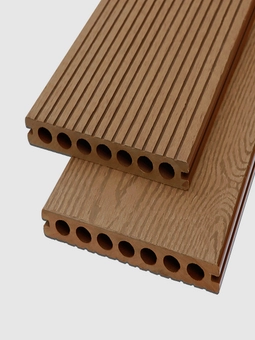

AWood Decking AD140x24 Wood AWood Decking Installation ..
156.000 ₫ / M dài
Showing 1 to 1 of 1 (1 Pages)





© 2013-2026 KHOSANGO.
Copyright Wood Floor Warehouse, specify the source when issuing the information on this website.
Số Giấy Phép ĐKKD / MST: 0305669469 - Do Sở Kế Hoạch Đầu Tư TPHCM cấp ngày 22/04/2008
Công ty TNHH Hoàng Gia Nam Việt - 209 Tô Hiến Thành, P. Hòa Hưng, TPHCM - Tel: (028) 38681802 - Email: sangonamviet@gmail.com
Copyright Wood Floor Warehouse, specify the source when issuing the information on this website.
Số Giấy Phép ĐKKD / MST: 0305669469 - Do Sở Kế Hoạch Đầu Tư TPHCM cấp ngày 22/04/2008
Công ty TNHH Hoàng Gia Nam Việt - 209 Tô Hiến Thành, P. Hòa Hưng, TPHCM - Tel: (028) 38681802 - Email: sangonamviet@gmail.com


